

Literacy Research Symposium 2026
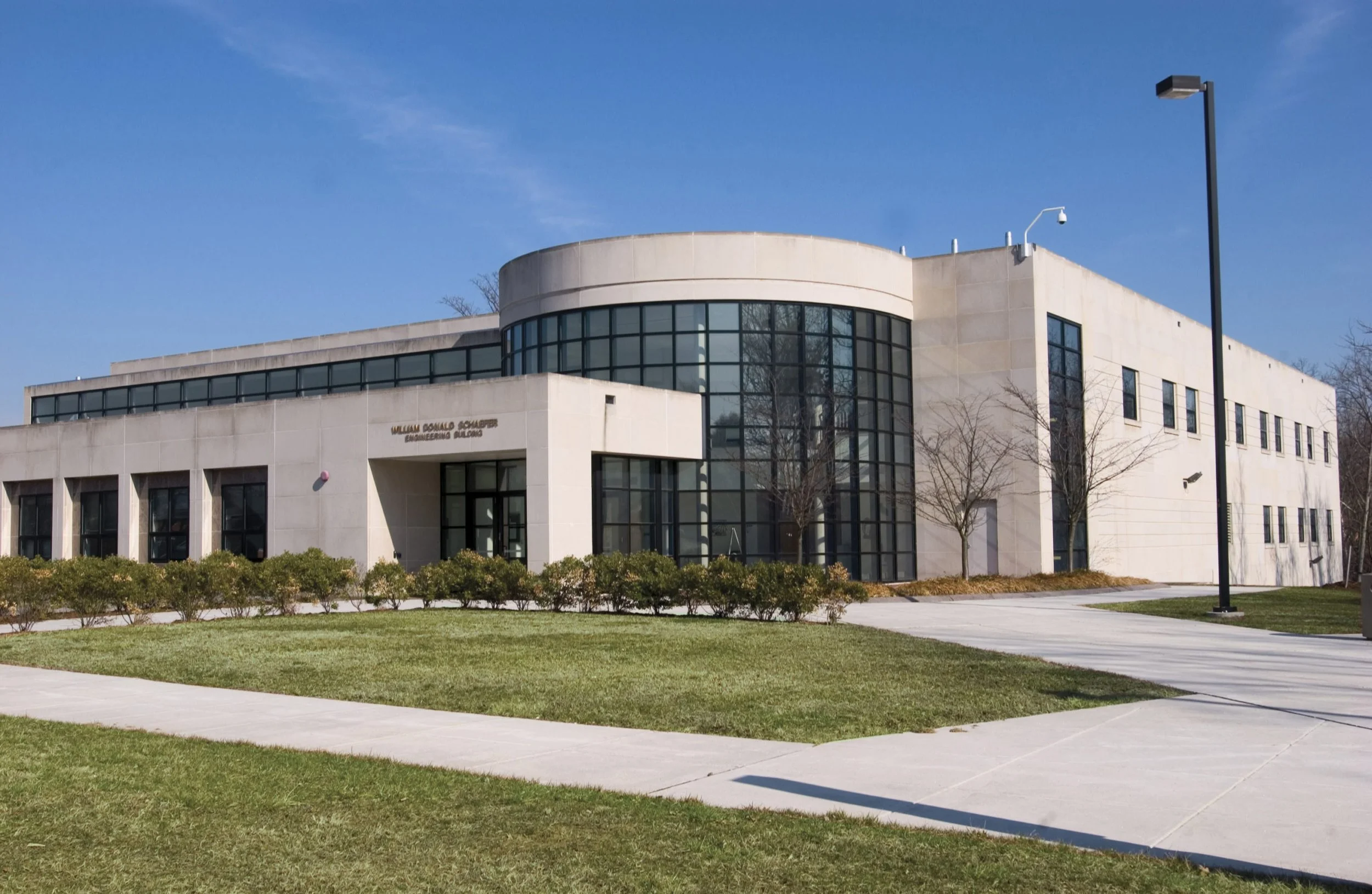
February 13th, 2026 • Morgan State University Campus
MILE is excited to co-host the second annual Literacy Research Symposium alongside the National Center for Elimination of Educational Disparities (NCEED). This free event will feature a workshop with Dr. April Baker-Bell, presentations from this year’s MILE Innovation Seed Grant recipients, updates from last year’s recipients, a student poster session, and more. See event and schedule details below.
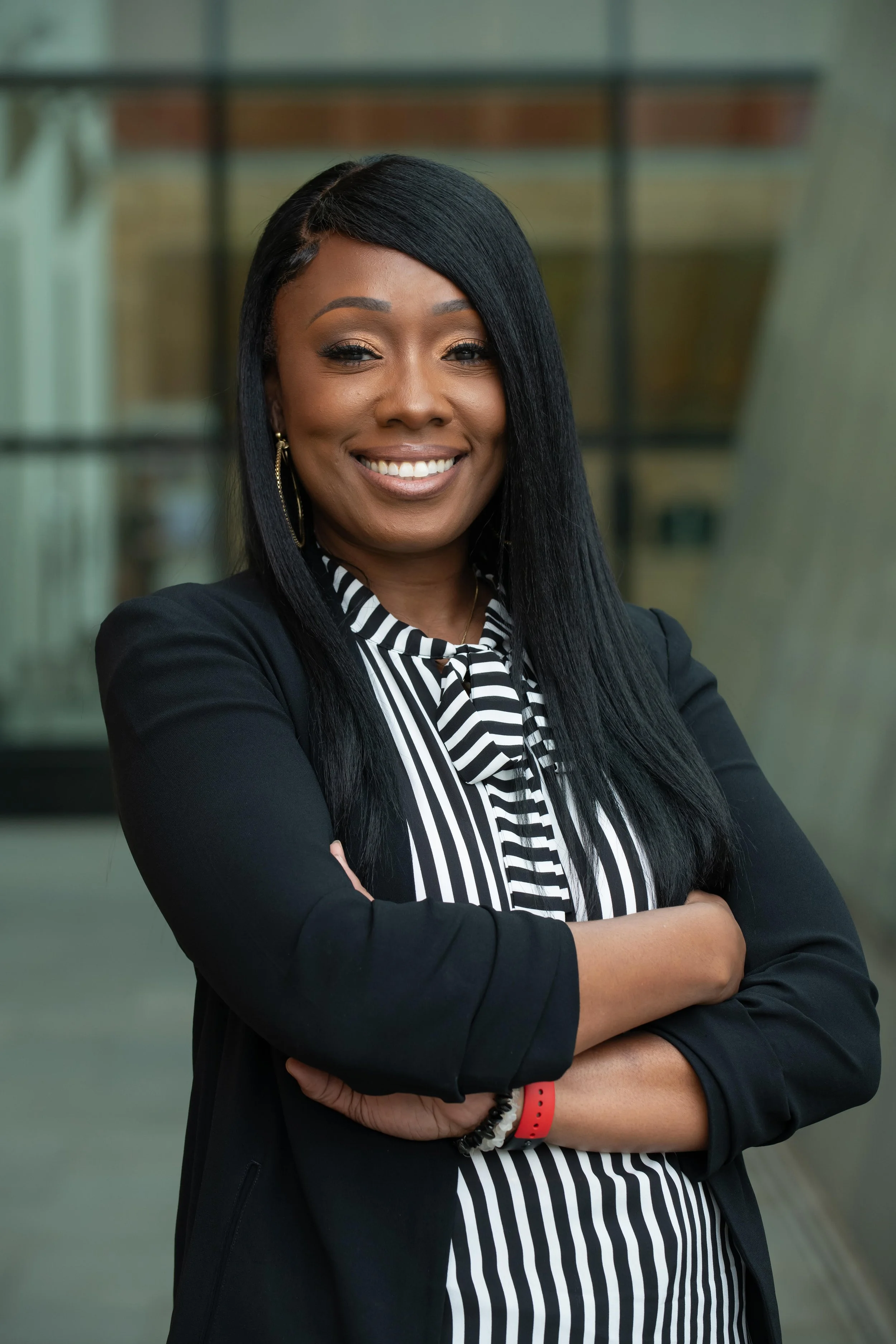
Welcoming our this year’s presenter, April Baker-Bell, Ph.D.
Linguistic Justice: From Theory to Praxis
MILE is excited to welcome our 2026 presenter, April Baker-Bell, Ph.D. Dr. Baker-Bell will present an engaging workshop on language justice in coursework.
-
This interactive workshop supports participants in exploring ways to integrate the principles of Linguistic Justice into curriculum and instruction. The session will include guided, activity-based exercises such as reflection and preflection activities, syllabus design, and instructional strategies. Participants will also receive a digital workbook to support continued learning beyond the workshop.
-
Dr. April Baker-Bell is an Associate Professor of Language, Culture, and Justice in Education in the Joint Program in English and Education and Educational Studies at the University of Michigan Marsal Family School of Education. A former high school English teacher and graduate of the Detroit Public Schools Community District, her research is situated at the intersections of Black Language and literacies, anti-Black racism, and antiracist /pro-Black language pedagogies.
Dr. Baker- Bell is an international leader in conversations on Black Language education, and her multi award-winning book, Linguistic Justice: Black Language, Literacy, Identity, and Pedagogy, brings together theory, research, and practice to dismantle Anti-Black Linguistic Racism (a term Baker-Bell coined) and white linguistic supremacy. The book provides ethnographic snapshots of how Black students in Detroit navigate and negotiate their linguistic and racial identities across multiple contexts, and it captures what Antiracist Black Language Pedagogy looks like in community with Black youth. Linguistic Justice features a range of multimodal examples and practices through instructional maps, charts, artwork, and stories that reflect the urgent need for antiracist language pedagogies in our current social and political climate.
Her latest research project, which was funded by the Andrew W. Mellon Foundation, involves collaborating with healthcare scholars and researchers to develop, implement and study antiracist medical curriculum interventions that support healthcare professionals with developing an antiracist praxis for confronting and reducing racial bias and anti-Black racism in medical and healthcare institutions.
Dr. Baker-Bell is the recipient of many awards and fellowships, including the 2023 Michigan Council of Teachers of English’s Charles Carpenter Fries Award, the 2021 Coalition for Community Writing Outstanding Book Award, the 2021 Andrew W. Mellon Foundation’s New Directions Fellowship, the 2021 Michigan State University’s Community Engagement Scholarship Award and the 2021 Distinguished Partnership Award for Community-Engaged Creative Activity, the 2020 NCTE George Orwell Award for Distinguished Contribution to Honesty and Clarity in Public Language, the 2020 Theory Into Practice Article of the Year Award, the 2019 Michigan State University Alumni Award for Innovation & Leadership in Teaching and Learning, the 2018 AERA Language and Social Processes Early Career Scholar Award, and many more.
Prior to joining the Marsal Family School of Education, Dr. Baker-Bell was an Associate Professor of Language, Literacy, and English Education at Michigan State University. She was affiliated with the English Education program, the Department of African American and African Studies, and the Center for Bioethics and Social Justice in the College of Human Medicine.
2026 Seed Grant Recipients
-
In this presentation, Annie Karabell will provide an overview of the implementation of an aligned instructional model in which eight classroom teachers and three intervention teachers provide instruction that is consistent in content, instructional routines, language, and skills. She will also discuss the observation fidelity measures, the approach to measuring cross-grade alignment, and the interrupted time series design.
-
This seed grant project explores how AI-assisted interactive modules can strengthen climate literacy in higher education. In Time to Save Our Oceans, undergraduates use game-informed activities, local climate scenarios, and simulated environmental data to build sensemaking, climate vocabulary, and evidence-based reasoning. Using pre-intervention and post-intervention survey results, student responses, and interaction analytics, the project evaluates effects on understanding, confidence, and civic agency and identifies scalable, low-cost strategies for implementation in diverse classroom settings.
-
This session will share a community-engaged literacy initiative designed to support Nepalese-American and African American children in Baltimore through bilingual, culturally responsive family literacy practices. Drawing on long-standing research in literacy and educational equity, the session highlights how home-based reading, digital storytelling, and community partnerships can address structural literacy inequities while leveraging multilingualism and cultural strengths.
-
Dr. Ana Ndumu and Dr. Cecile Accilien from the University of Maryland in partnership with the Haitian Development Center of Delmarva are leading the Konesans Together (KT) Project, a collaborative initiative designed to boost critical literacy and information skills within Wicomico County’s Haitian community. Using a participatory action research model, the project empowers youth ages 8–14 to co-create multiliteracy resources, including publishing their own creative works and expanding Kreyòl language collections at local libraries. By hosting workshops and fostering community engagement, the initiative aims to reduce reading inequities and establish a sustainable framework for family literacy.
Schedule
10:00 AM - 11:00 AM: Check-In & Student Posters
Grab your name badge before the event begins and check out some student posters!
11:00 AM - 11:30 AM: Updates from 2025 Faculty Seed Grant Winners
Our 2025 Innovation Seed Grant winners will provide an update on their funded projects.
Change the Game: Gaming as a Gateway to Literacy for Black Students
Dr. Bryant BestSequential Organization in Literacy Skills: Does Perceiving Visual-Orthographic Patterns Enhance Second Language Word Writing?
Dr. Min Wang, Dr. Jose Ortiz, and Yi Dai
11:30 AM - 12:00 PM: 2026 Graduate Student Seed Grant Winners
Hear from our 2026 Graduate Student Seed Grant winners from Morgan State University and the University of Maryland.
Alignment by Design: The Effects of an Aligned Instructional Model on 2nd Grade Reading
Annie Karabell
Time to Save Our Oceans: A Higher Education Literacy Pilot
Olisa MenakayaBridging Cultures and Building Literacy: Community-Centered Approaches for Black and Brown Children in Baltimore
Dr. Krishna BistaKonesans Together Project
Drs. Ana Ndumu and Cécile Accilien
12:00 PM - 1:15 PM: Networking Lunch
Enjoy catered lunch with time to connect with colleagues.
1:20 - 2:20 PM: 2026 Faculty Seed Grant Winners
Faculty from Morgan State University and the University of Maryland, College Park will share their winning proposals from this year's Faculty Seed Grant competition.
2:30 - 4:00 PM: Workshop with Dr. April Baker-Bell
Enjoy a workshop with keynote speaker Dr. April Baker-Bell on language justice in coursework.