

Introducing Our First Round of Graduate Fellows
We are proud to introduce the first round of our Graduate Fellows, a group of emerging scholars whose work embodies MILE’s mission. These Fellows bring fresh perspectives and we are excited to highlight their important work.
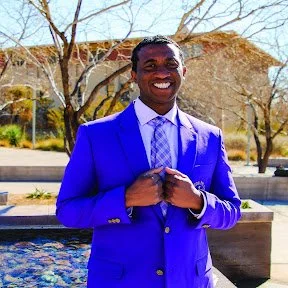
Cedric Shamley • School of Education and Urban Studies
Morgan State University
Cedric Shamley is a master’s student focusing on Science Education at Morgan State University. Through his work, Shamley aims to enhance science literacy for younger children so that they are prepared for 21st-century, STEM-related job placement. Additionally, Shamely’s research centers using Place-based, Project-based, and Student-centered frameworks and methods.
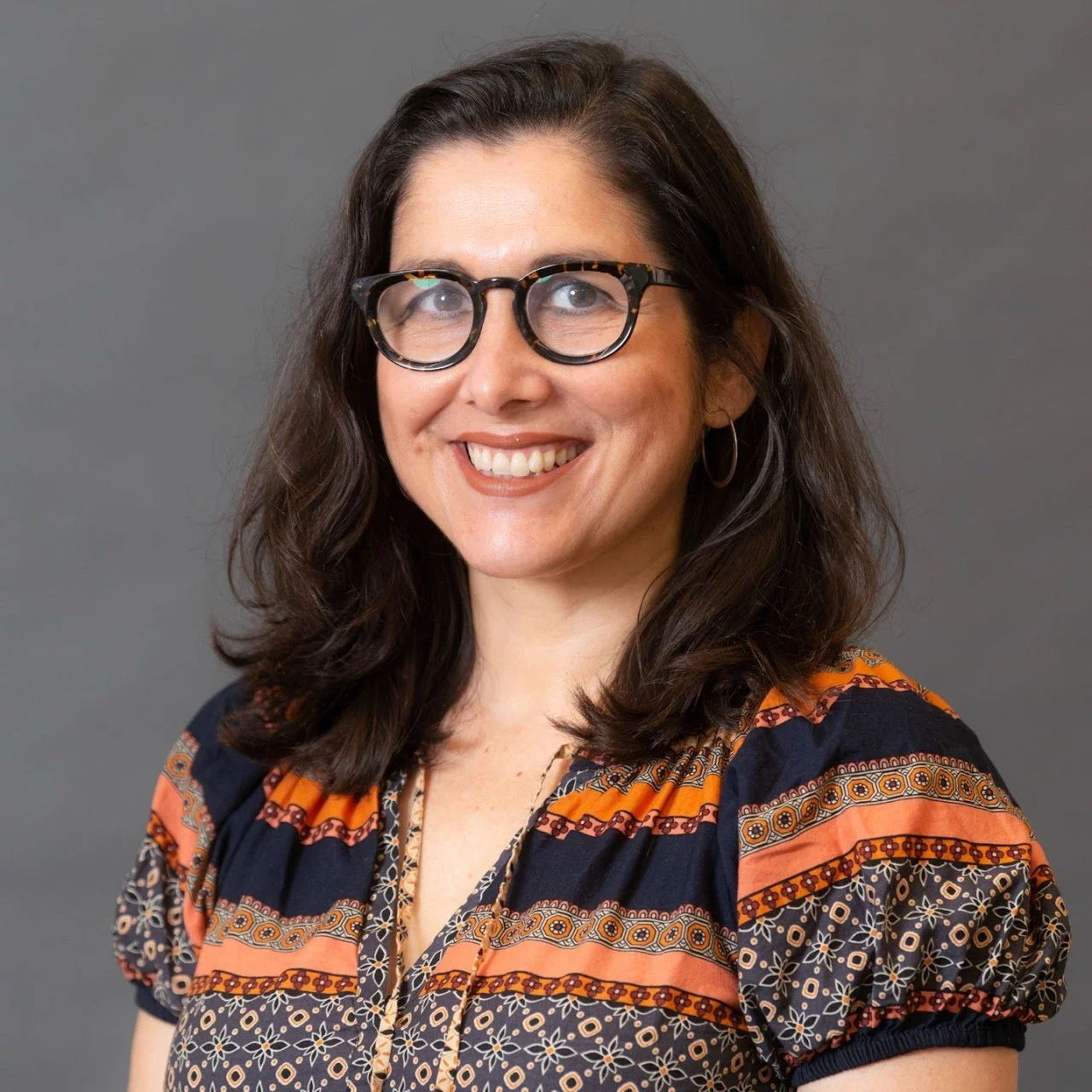
Sandra Gutiérrez • Department of Teaching and Learning, Policy and Leadership
University of Maryland
Sandra Gutiérrez’s research and practitioner work is focused on improving outcomes and advancing equity for multilingual learners through high-quality and culturally responsive biliteracy instruction in dual language bilingual schools. In particular, in her dissertation study, she is researching how instructional coaches support equitable biliteracy instruction and how they learn from each other in inquiry groups.
Claudette Tebeck• School of Education and Urban Studies
Morgan State University
Claudette Tebeck is a doctoral student focusing on Science Education at Morgan State University. Tebeck recognizes that most STEM are yet to be adequately prepared to support Multilingual learners' reading and writing abilities. Consequently, they possess a teaching philosophy that views MLs' learning needs through the lens of equity rather than that of deficit. Tebeck joins the MILE team with the goal to make the deficit mindset a myth.
Diana Purwaningrum • Department of Teaching and Learning, Policy and Leadership
University of Maryland
Diana Purwaningrum is a doctoral student at the University of Maryland. She has two primary research focuses: language and literacy practices in the least commonly taught languages among Indonesians as minority groups in the United States, and language and literacy practices for trauma healing and liberation among Asian women who became unpaid caregivers.
Daimen Poole • School of Education and Urban Studies
Morgan State University
Daimen Poole is a master’s student at Morgan State University. Poole’s research interests are centered around how social emotional learning impacts student confidence in the process of developing literacy.
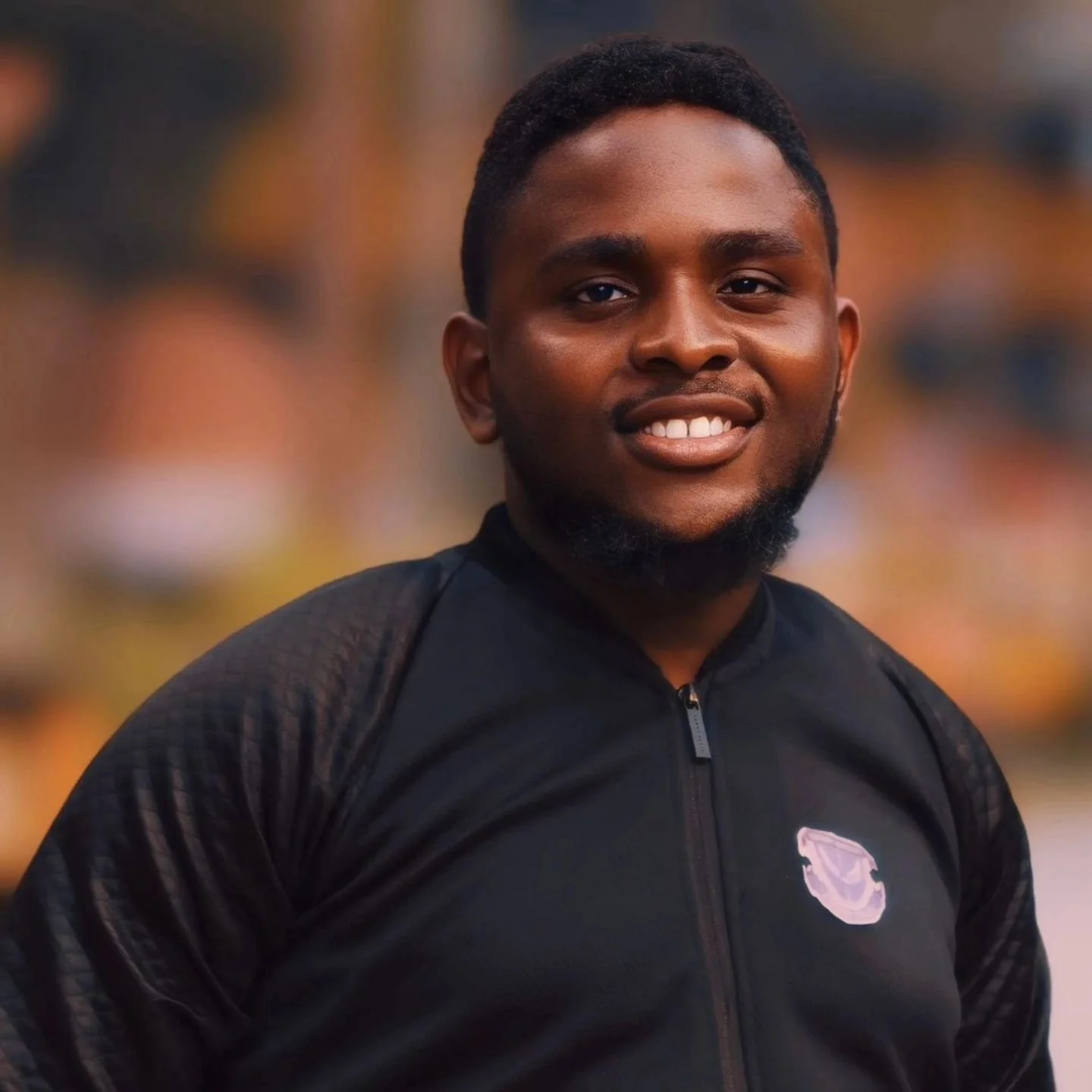
Blessing Omomola • School of Engineering
Morgan State University
Blessing Omomola is a master’s student in Industrial Engineering at Morgan State University. He is interested in how artificial intelligence can support inclusive literacy. Omomola recognizes that “AI has the potential to personalize learning, improve access to information, and empower communities through data-driven tools,” and believes equity means making these technologies understandable and accessible to all learners, regardless of background. Through MILE, he hopes to help bridge the gap between emerging tech and equitable education.
Michaela Brooks • Department of Human Development and Quantitative Methodology
University of Maryland
Michaela Brooks is a doctoral student focusing on human development at the University of Maryland. Her research examines how children learn and represent the correspondences between spelling and sound based on their unique language and literacy experiences. She draws from statistical learning frameworks to understand how readers extract regularities in spelling-sound relationships from their environments. This perspective emphasizes that literacy learning is not uniform. Rather, children's exposure to language, dialect, and print varies widely, shaping how they internalize and generalize these correspondences. Her work seeks to bridge the gap between basic and applied science by devising more experience-dependent assessments of expected reading abilities, which can then be used to pinpoint the statistical regularities children of varied age, skill, and cultures are struggling to extract. These assessments can then help tailor educational resources and instruction to students in a more theoretically driven manner than highly variable phonics or other reading programs.